Tag: Camden

01
Sep

A design feasibility study for a twin townhouse in the Bloomsbury Conservation Area.

Twin Townhouse Refurbishment | Architects for Camden | Bloomsbury, West Central London

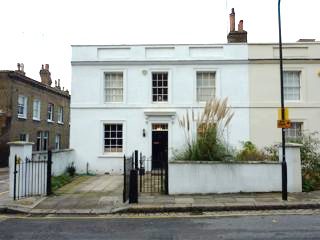
forresterarchitects have submitted a design feasibility proposal for the refurbishment of twin townhouses located off Oxford Street in Bloomsbury, West Central London. The proposed works aim to re-establish the internal hierarchy of a late Victorian house, which is not realizing its full potential in the modern family lifestyle. The design approach aims to retain the formal reception rooms on the ground and first floors while the bedrooms will be located on the upper floors. The kitchen and dining rooms will be retained on the lower ground floor, and both properties will be rewired with new plumbing throughout.

The proposed refurbishment aims to bring new life to the twin townhouses, creating a layout that is better suited to the way modern families live. The retained formal reception rooms on the ground and first floors will provide a perfect space for family activities and entertaining guests, while the upper floors will offer private spaces for rest and relaxation. The lower ground floor will house the kitchen and dining area, providing a perfect space for family gatherings and meals. The design proposal will require the installation of new plumbing and rewiring of both properties. These upgrades will ensure that the modern family has access to all the amenities they need. The proposal also aims to respect the historic character of the properties while providing a modern layout.

Overall, the design feasibility proposal for the twin townhouse refurbishments off Oxford Street in Bloomsbury, West Central London, is an innovative approach that aims to bring new life to a traditional layout.
 

18
Mar

A garden pavilion has been approved to a detached house in Highgate, North London.

Garden Pavilion | Architects for Camden | Highgate Conservation Area, North West London

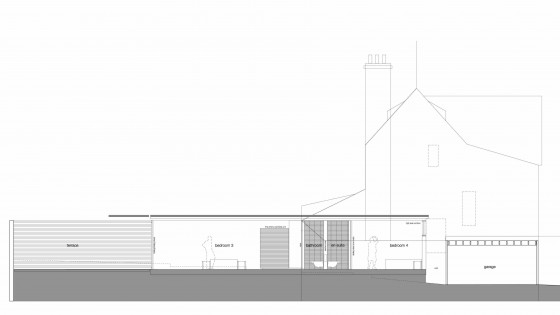
forresterarchitects has received planning approval for a garden pavilion in Highgate, North London. The pavilion is located in the rear garden of a detached house and is designed to solve the problem of accommodating visiting family members. The house is shared by two professionals who needed additional space for guests.

The garden pavilion is a sleek and modern structure that provides two double bedrooms with en suite bathrooms. The design allows for direct access to the garden and the house, providing flexibility and privacy to the occupants. The pavilion is designed to blend seamlessly with the existing house and the surrounding landscape. The project is located in the Highgate Conservation Area, which is known for its historic architecture and strict planning regulations. forresterarchitects worked closely with the local planning authorities to ensure that the design of the garden pavilion met the requirements of the Conservation Area. The garden pavilion provides a self-contained living space that is perfect for guests or family members who require additional privacy. The design of the pavilion ensures that it is not intrusive to the existing house or the surrounding landscape.

forresterarchitects is known for its innovative and sustainable designs, and the garden pavilion in Highgate is no exception. The pavilion is designed to be energy-efficient and sustainable, with features such as solar panels and rainwater harvesting systems. Overall, the garden pavilion in Highgate is a testament to forresterarchitects’ commitment to innovative and sustainable design. The project provides a practical solution to the problem of accommodating visiting family members while also enhancing the beauty and functionality of the existing house and the surrounding landscape.

01
Sep

A Victorian piano factory is going future proof in its new office fit-out.

Commercial Office Fit-Out | Architects for Camden | Camden Town, North West London

forresterarchitects has recently completed a commercial office fit-out project in Camden Town, North West London. The media analyst’s headquarters, which was originally a Victorian piano factory, needed to be upgraded and reconfigured to accommodate their growing needs. The existing building infrastructure was dated and at full capacity, which made it challenging to improve the functionality of the space.

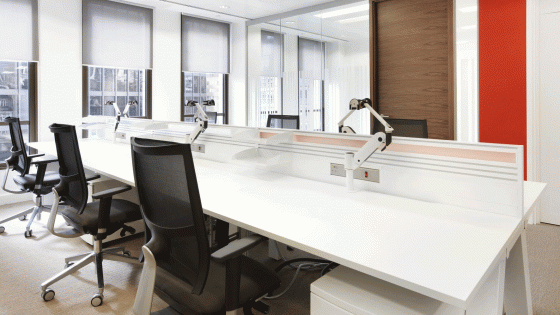
To address these issues, forresterarchitects took an innovative approach to office space planning. They used dedicated furniture and workstations to increase the occupancy capacity of the office space by 30%. The new layout maximises the available space and provides a more comfortable and productive working environment for the employees. Moreover, the improvements to the power and data supply ensured uninterrupted access to the internet, which is critical for a business that relies entirely on digital information. The upgrades were carried out with the future in mind, ensuring that the power supply would remain on without fail. The design approach involved the integration of new technology into the building’s infrastructure, making it possible for the occupants to work more efficiently. For example, the use of high-speed data networks and advanced lighting systems creates an environment that promotes productivity and creativity.

Overall, the office fit-out project undertaken by forresterarchitects in Camden Town is a successful example of how innovative thinking can transform outdated spaces into modern, functional, and productive work environments. The upgrade to the power and data supply and the introduction of new technology ensures that the building is future-proofed, providing a flexible space that can adapt to the changing needs of the occupants.

16
Aug

A Grade II property isn’t untouchable. Add a glass box in the Jeffrey’s Street Conservation Area.

Grade II Remodelling | Architects for Camden | Jeffrey’s Street Conservation Area, North West London

forresterarchitects has been tasked with a Grade II remodelling project in Jeffrey’s Street Conservation Area, North West London. The project involves an end of terrace Edwardian house in Camden Town with a stucco facade featuring vertical sliding shutters concealed within the window cills, a key listed feature. The client desires an expansion of the accommodation, which is currently modest.

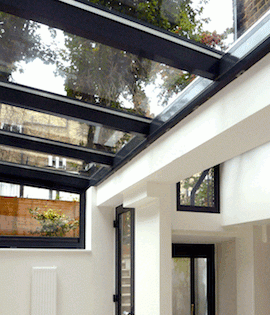
To meet the client’s needs, forresterarchitects proposes a modern glass rear extension that engages with the garden while remaining concealed behind the perimeter garden wall. The design’s aim is to keep the original features of the building intact, with the only sign of intervention being the profiled edge of the horizontal roof beyond. The glass extension offers a modern approach to expand the accommodation while keeping the building’s character and charm. The proposed design offers a balance between old and new, with the glass extension providing a modern addition while retaining the building’s original Edwardian architecture. The design offers a contemporary space for modern living and entertainment while retaining the original character of the building.

forresterarchitects approach to the project is a careful balance between retaining the original features of the building while accommodating the client’s needs for expansion. The proposed glass extension offers a seamless transition between the original building and the modern addition, providing a beautiful and functional living space.

01
Jun

A terrace conversion in Hampstead. Bring it in from the cold.

Terrace Conversion | Architects for Hampstead | Hampstead Conservation Area, North West London

forresterarchitects has recently completed the renovation of a terrace conversion in the Hampstead Conservation Area, located in North West London. The original property was a one bedroom private dwelling with access to a private garden, but the proposal aimed to create a two-bedroom private dwelling with an extended kitchen and improved sanitary accommodations.

To achieve this, the internal layout of the property was reconfigured to provide a larger kitchen extension with direct access to the terrace and garden through sliding/folding double glazed units. Additionally, the former kitchen space was reconfigured to create a new bedroom with direct access to the garden. The aim was to extend the property demise to provide more space for the improvements. Sanitary accommodations were also improved and increased to provide a larger bathroom and an en-suite to the master bedroom. With these changes, the property has been transformed into a modern and comfortable dwelling that meets the needs of contemporary living. The Hampstead Conservation Area is known for its architectural and historical significance, which makes it an ideal location for architectural projects.

The renovation of the lower ground floor flat in Hampstead, North West London has created a comfortable and modern two-bedroom private dwelling with an extended kitchen and improved sanitary accommodations. The renovation is a perfect example of how contemporary living spaces can be created while preserving the character of a historically significant area.