Category: Listed and Conservation

15
Dec

Two-Storey Extension | Ardleigh | Architects in Islington

A two storey extension reconnects with the garden and sky in Islington, North London.

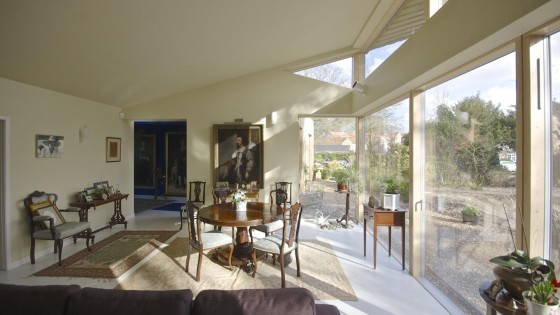
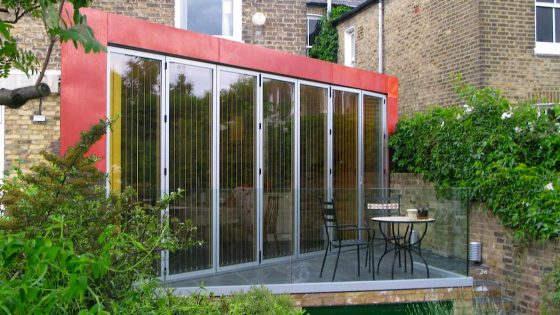
A new two storey extension is located within the De Beauvoir Conservation Area. It is identified as making a positive contribution to the character and appearance of the Conservation Area. From the outset, three design constraints were instrumental to the form of the rear extension and key to the final configuration. The provision of a well equipped and spacious kitchen was central to our client’s requirements. The small galley kitchen was not suitable for a house of this size. A new bedroom to the lower ground floor would not occupy the previous dining room space.
 
The most problematic but desirable outside space was the retention of the existing roof terrace area. Accessed from the raised ground floor lounge it provides a pleasant outside space. A rear extension takes the form of a full-width aperture to the rear of a property, but the existing roof terrace was retained. This provided an opportunity to establish a hierarchy of spaces which determined the form of the rear extension.
 
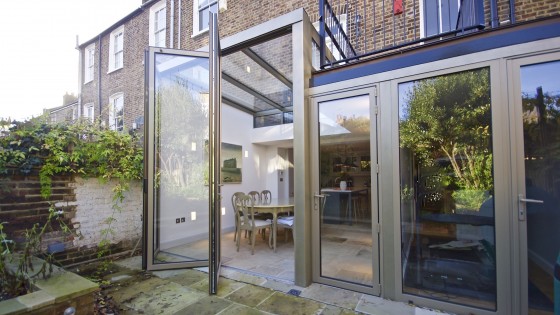
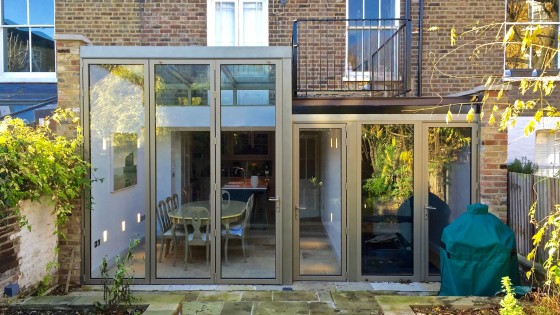
The new larger kitchen and dining room of the two storey extension is remodelled to take advantage of the North facing aspect. The kitchen reconnects with 3m high folding sliding doors to provide framed views of the garden. The roof to the kitchen extension is glazed and looks to the sky to bring in as much light as possible to the north facing rear garden aspectThe gymnasium benefits from its garden location and enjoys framed views of the garden. The roof terrace has level access from the rear lounge and can be enjoyed when entertaining guests.
 
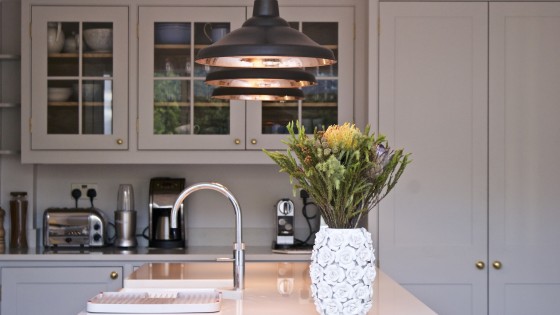
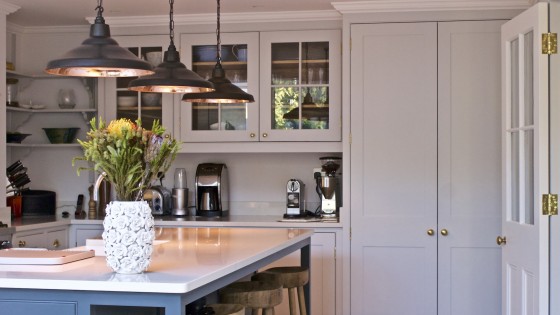
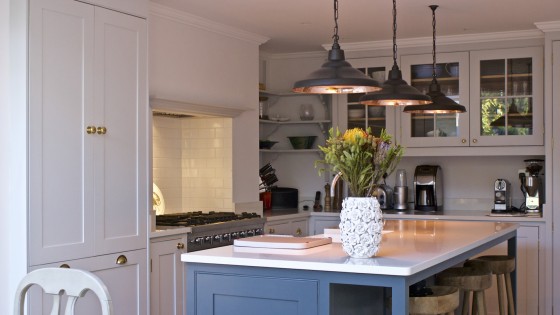
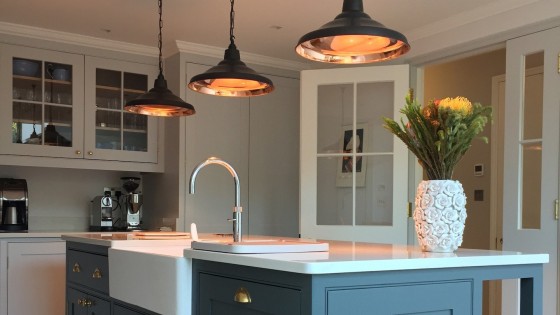
A bespoke hand-painted timber kitchen has been designed to our client’s exact requirements. The paint colours conceal solid timber drawer and carcase linings with full height walk-in larder. The kitchen island is a fine Carrera marble work-surfaces with a contrasting colour to the breakfast bar island
15
Nov

Passive House/Passivhaus | Pond | Norfolk Broads

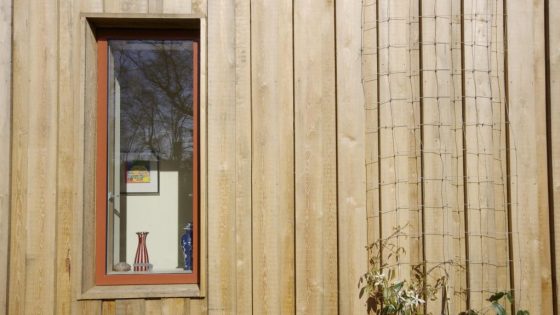
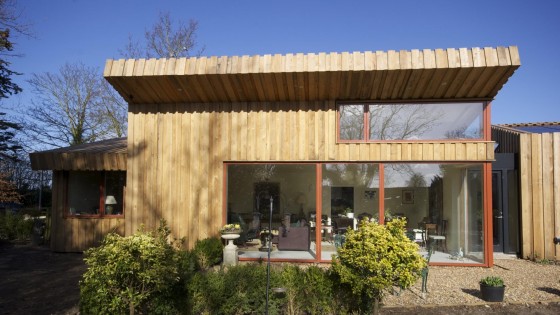
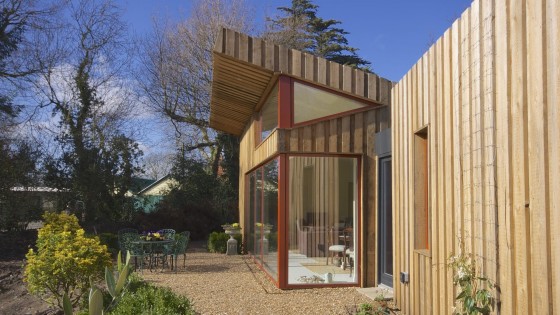
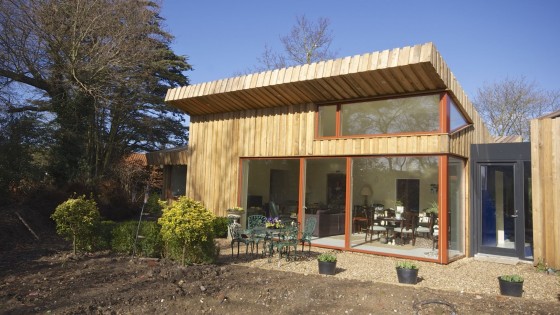
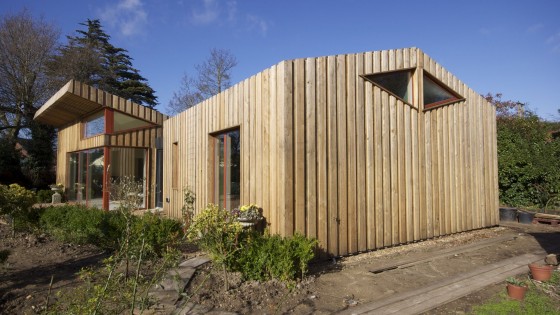
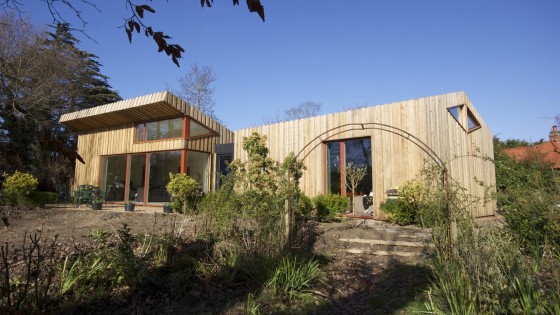
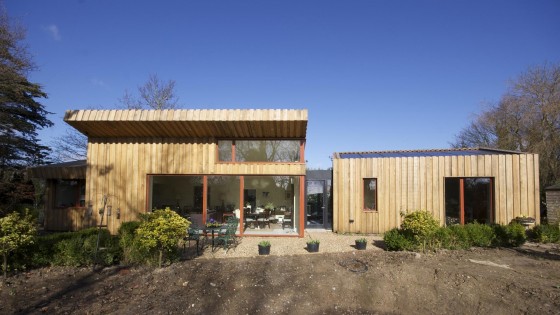
A new-build house in Stalham Staithe, Norfolk Broads has been designed to Passive House (Passivhaus) principles by London based studio forresterarchitects.

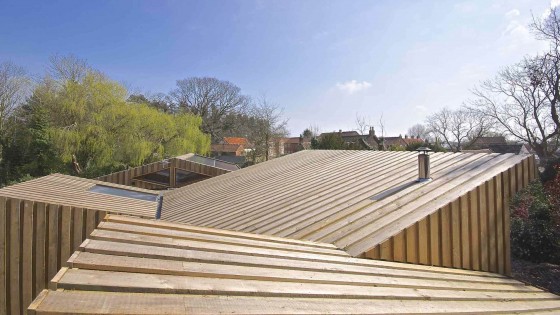
The Norfolk and Suffolk Broads is Britain’s largest protected wetland is the setting for our latest project, a new build Passive House (Passivhaus). With the status of a national park, it is a particularly sensitive location to new-build developments. The local environment is dominated by the large expanse of water, the Barton Broads. Interspersed between the water courses are rich and varied collections of buildings. There are attractive views in all directions. The roofs of the buildings of the Broads act as dominant visual markers within the landscape and aid orientation.
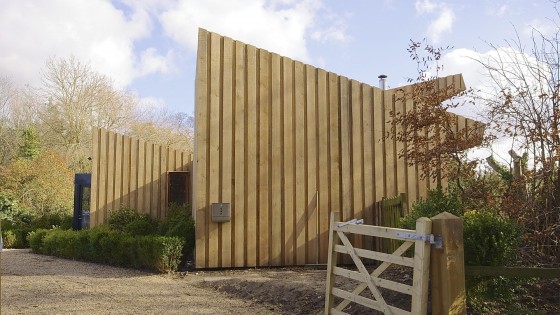
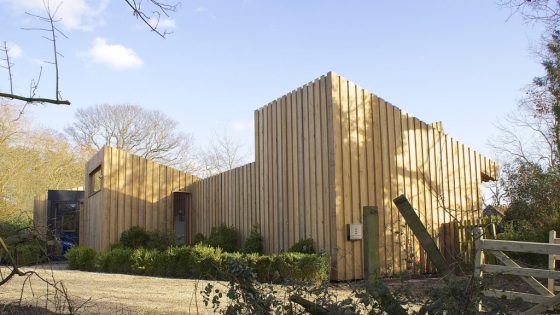
From the outset, the client was keen to provide a responsive and sustainable solution with the garden pond to remain a central feature. The new-build house is approx. 110sq/m and comprises of a kitchen, an open plan living room, dining room with three bedrooms and bathrooms and a dedicated utility/plant room. The ubiquitous barn profile provides a simple form of accommodation, which predominates in the local area. The proposed new-build house draws reference from the vernacular forms, materials and how they are positioned in the landscape. The proposed location of the new-build house aims to contribute to the local character resulting in a considered roof-scape.
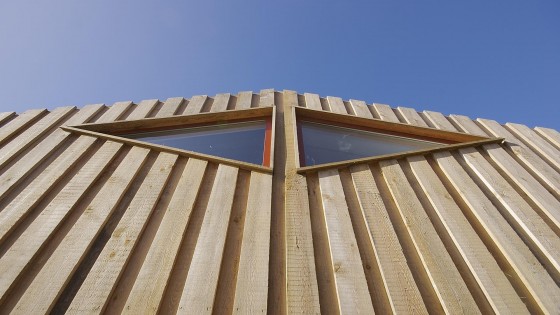
The new-build house has been developed under the Passive House (Passivhaus) Planning Package (PhPP). The PhPP was used as a key design tool and has been used to refine the building to ensure an energy efficient solution. A Passivhaus is a voluntary building standard. It exceeds the statutory requirements of the current UK building regulations. The principles of the Passive House (Passivhaus) concept aims to reduce the need for space heating and cooling. This is achieved by adopting a fabric first approach to the design. High levels of insulation to the thermal envelope with exceptional levels of air tightness. The need for heating need is reduced to the point where a traditional heating system is not considered essential. For example, the building is orientated due south but has been turned a further 10 degrees to the East. In the early morning, the bedrooms gain warmth a little earlier from the solar gain from the sun as it rises. East facing clerestory bedroom windows have been incorporated into building fabric.
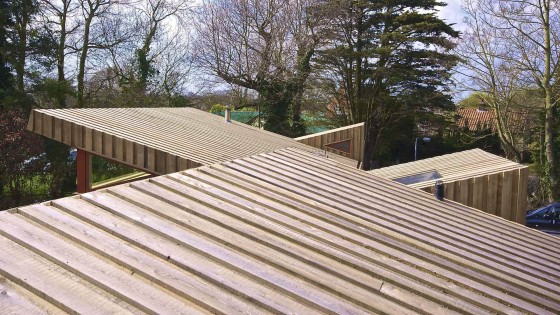
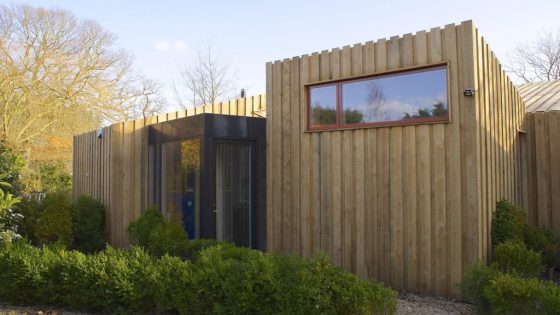
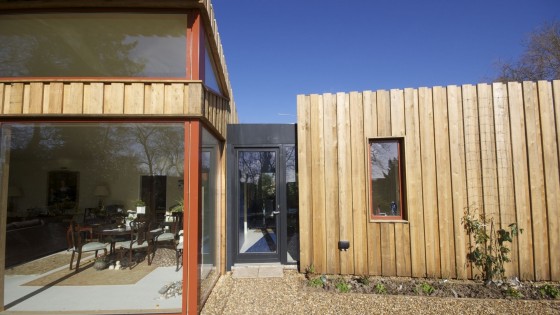
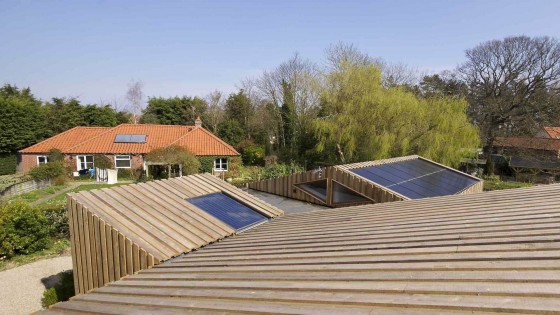
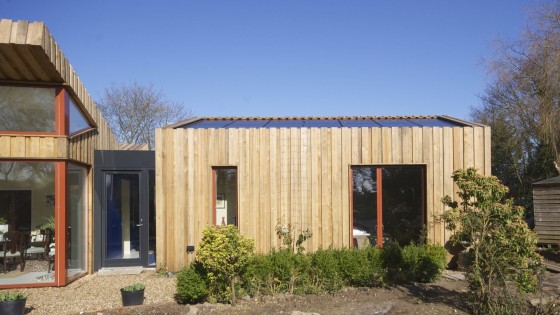
The materials are simple yet robust. The new-build house is clad with rough sawn untreated Siberian Larch, which is used not only for the walls but also across the entire roof. In response to our discussion with the Broads Authority the solar panels appear flush and integrated into to the roof . The installation of solar thermal and photovoltaic panels supplement the environmental strategy. Photovoltaic panels used to generate electricity and solar thermal panels used to heat the water. In keeping with the Broads Authority’s desire to encourage sustainable drainage. A sustainable drainage solution was employed. The SuDS proposal adopts many techniques. A water permeable terrace collects, treats and stores the rainwater to then release the water into the environment. A rainwater harvesting system has been incorporated for the provision of garden irrigation.
14
Oct

Diagonal Rear Extension | Barlby | Architects in Kensington & Chelsea

A diagonal rear extension replaces a tired conservatory  in Ladbroke Grove, West London.

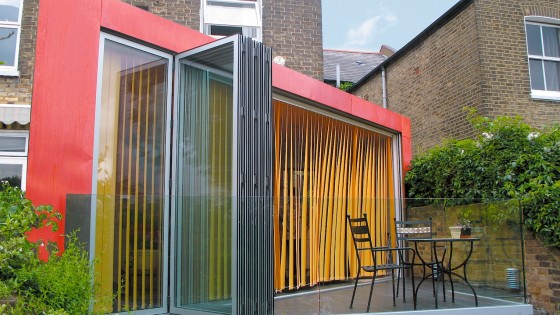
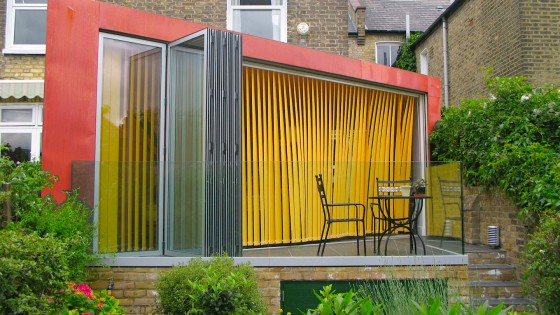
A diagonal rear extension has replaced a tired conservatory that used to occupy the garden of a mid-terraced house in Ladbroke Grove, West London. The house is located in the Oxford Gardens Conservation Area, within the London Borough of Kensington & Chelsea. To provide a modern and vibrant solution to extend the rear of the property, a natural copper cladding has been used.

The new extension provides an enlarged kitchen with a dedicated utility room and extra storage space. The full-height folding/sliding doors, which extend over 6.5 metres, provide access to a raised external terrace. The terrace and the rear extension both overlook a mature garden from an uninterrupted south-facing aspect, creating a spacious and inviting atmosphere. In addition to the rear extension, the house has been refurbished to include the remodelling of the master bathroom and bedrooms on the upper floor. The use of a natural copper cladding adds a unique touch to the property’s exterior, creating a bold and contemporary look that complements the existing architecture.

Over time, the copper cladding will oxidise and change from orange to green, in the same manner as the traditional roof architecture of London. This will give the property a more natural and aged appearance, adding to its overall charm and character.

The new diagonal rear extension has transformed the tired conservatory into a stylish and modern addition that enhances the functionality and visual appeal of the property. The enlarged kitchen and additional storage space, combined with the raised external terrace, provide ample room for entertainment and relaxation, while the natural copper cladding adds a unique touch to the property’s exterior.

02
Oct

Conservation Refurbishment | Mercers | Architects in Tufnell Park

One of our commercial client’s has retained our architectural services for a conservation refurbishment of their fine Victorian villa in Tufnell Park, North London.

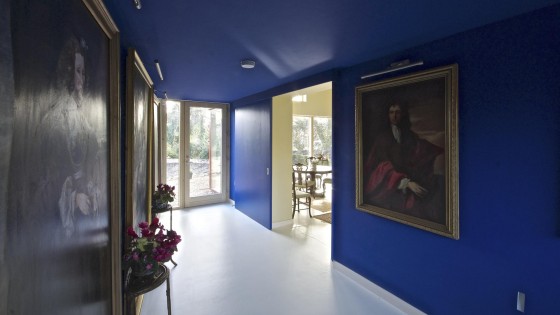
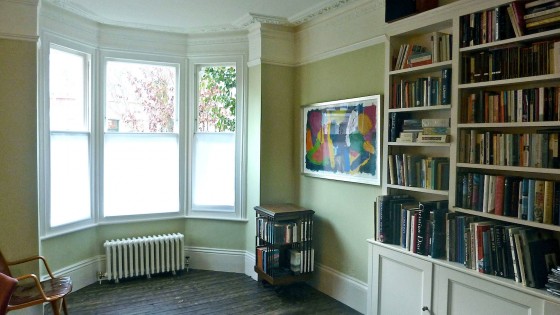
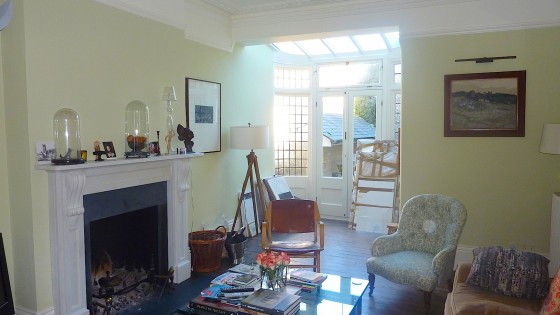
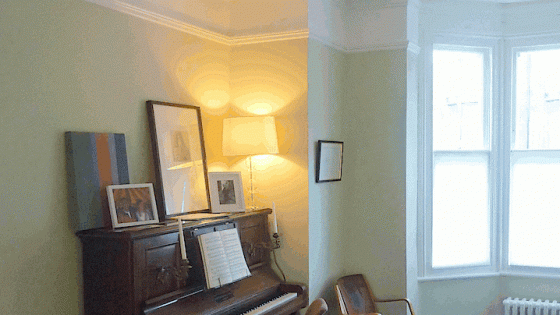
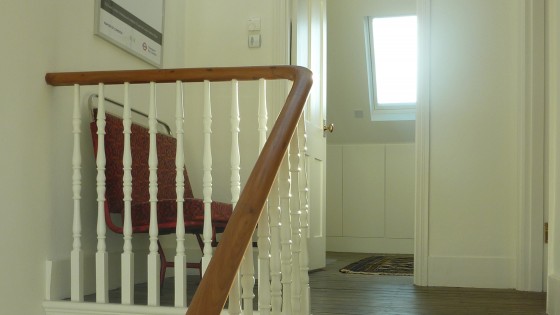
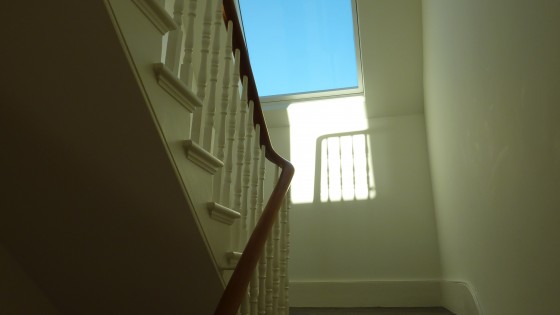
The conservation refurbishment works involved the reconfiguration of the interior and the reinstatement of lost decorative features of the original house. All rooms would be redecorated with paint colours sourced from a Victorian palette to compliment the character of the houseTo reflect the modern day requirements of our clients with a young family subtle re-planning of the bedrooms was proposed.
 
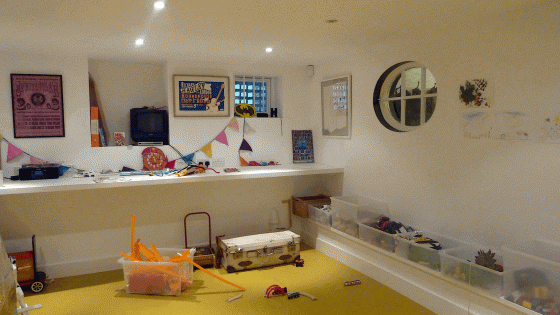
With clever engineering, a full height basement was introduced which added an entire new floor to the house. A low-engineered foundation solution avoided the need for costly underpinning. As such the original footing so remains untouched and avoids raising the concerns of the neighbours. The extra basement floor area provided a perfect playroom for the children. Natural light to the basement was provided by new two new oval windows inserted into the building fabric. Dedicated plant rooms and building services are also accommodated in the basement.
 
The proposed conservation refurbishment involved relocating the master bedroom to the front of the house. One of the walls of the new master bedroom conceals a secret door, which pivots to reveal an ensuite shower room. The children’s bedroom, on the same floor, is separated from the master bedroom by a walk-in dressing room and a dedicated laundry room. Providing the laundry room on the first-floor landing, nearer the bedrooms, makes the task of gathering a little bit easier.
 
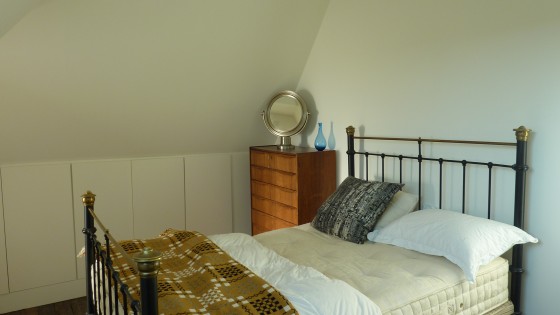
A further two extra bedrooms and an office are provided to the top of house as part of the conservation refurbishment works. A new bathroom was added to one of the bedrooms which is located underneath the mansard roof construction to the front of the roofTo the existing rear outrigger, a dedicated guest suite has been provided with its own bathroom. This self-contained suite will be used for guests or an au pair.